



Overview
Herfah at Al Khater House
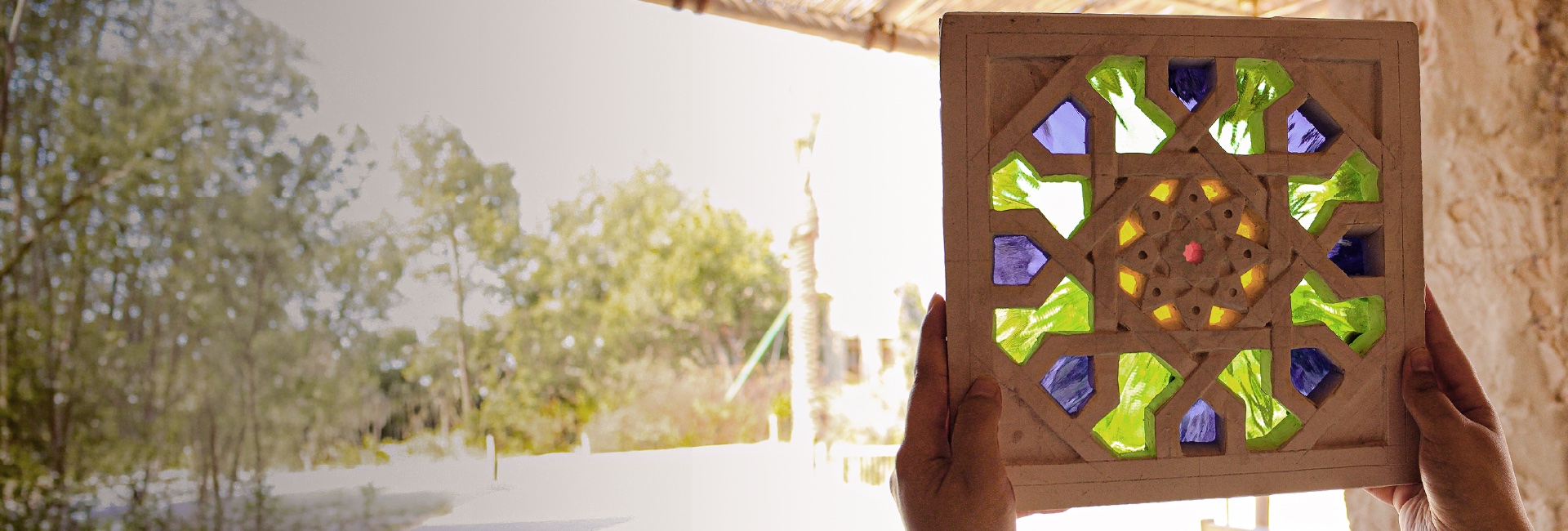
The Herfah Program is a Qatar Foundation initiative focused on reviving and promoting traditional crafts deeply rooted in Qatari and Islamic culture. Held at Al Khater House, the program is delivered in collaboration with The King’s Foundation School of Traditional Arts, renowned for its excellence in teaching and preserving heritage crafts. Through its annual program and weekly workshops, Herfah invites participants to engage in practical experiences that merge timeless traditions with creative expression.
For any questions or assistance, please contact us at herfah@qf.org.qa.
Herfah Weekly Workshops
Discover traditional crafts through Herfah’s hands-on workshops, held weekly at Al Khater House, from 6pm to 8pm.
Open to beginners and craft enthusiasts alike, the workshops offer an opportunity to learn, create, and experience traditional craftsmanship with expert artisans.
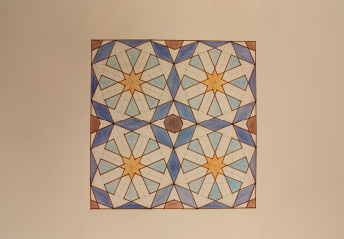
Geometry: Four-fold Symmetry Inspired From Qatar Heritage
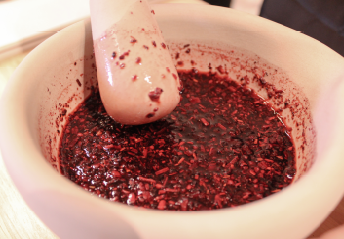
From Plants to Pigments
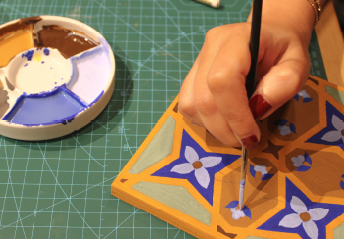
Decorative Painting: Egg Tempera on Wood
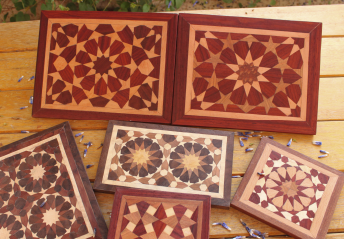
Designing with Wood: Marquetry Basics
Foundational Modules
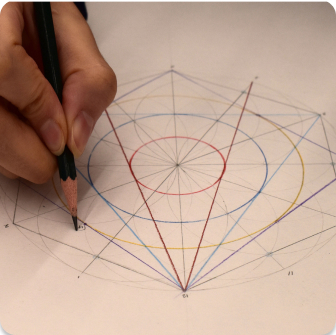
This introductory geometry class familiarizes students with the principles and language of traditional geometry, beginning with nature’s creative principles and exploring how they inform traditional arts across cultures.
Geometry 1
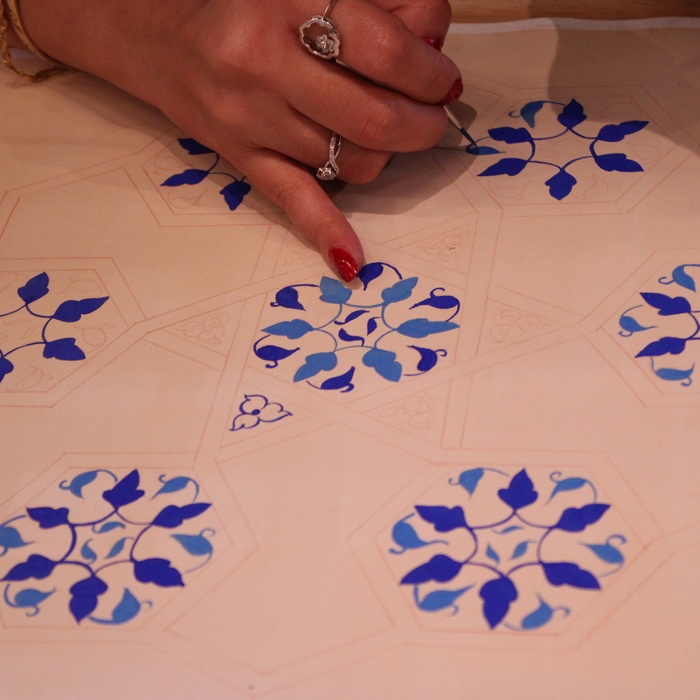
This course teaches students to recognize and develop the stylized floral and plant forms prevalent in the art of biomorphic design. Students also learn the principles of composition and how to apply these designs in the various craft contexts taught at Al Khater House.
Biomorphic Design
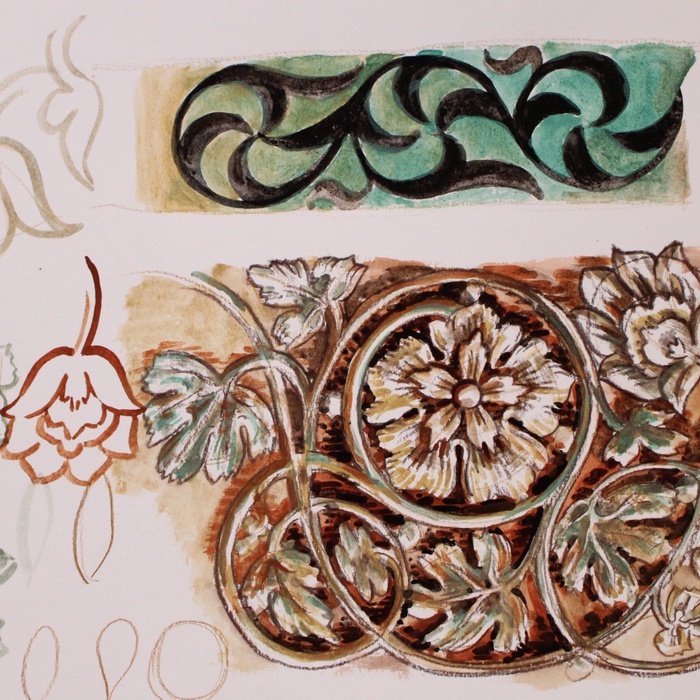
This class introduces students to observational and analytical drawing skills. Students learn to stylize and refine drawn elements to reveal universal principles that are present within the particularities of our observed surroundings.
Drawing for Designers
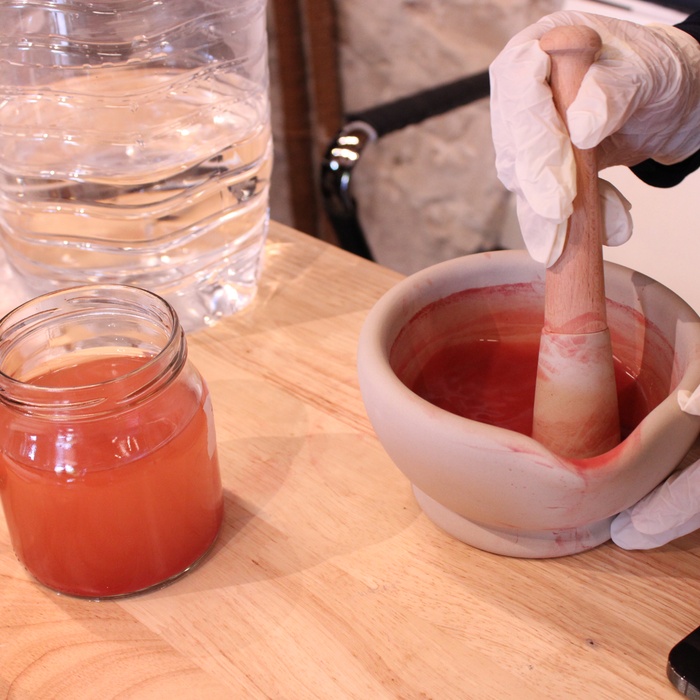
This course introduces the processes of refinement and preparation. Learning to transform the raw materials of earth, stones, plants, and resins into paint gives artists a profound respect for the nature of their materials.
Methods and Materials of Painting
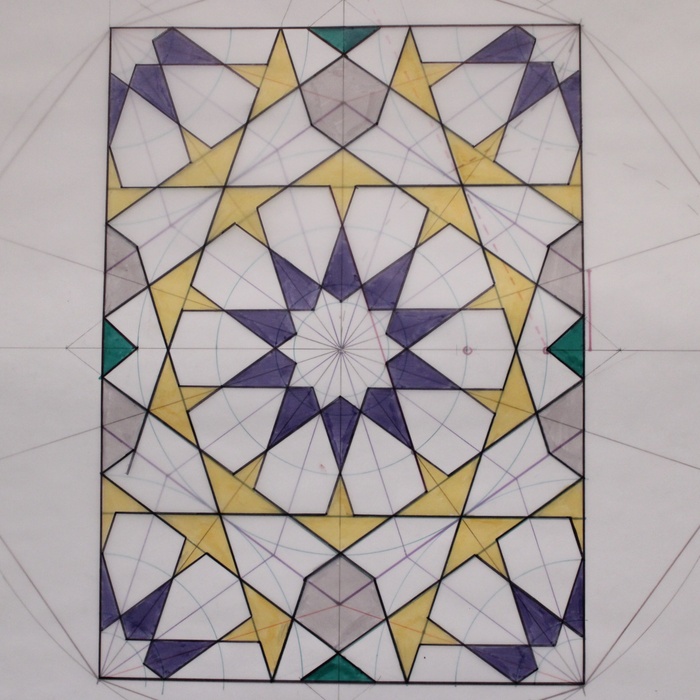
The second level of the geometry courses develops the students’ drawing skills and understanding of pattern construction and composition. Students extend their investigations into symmetry families derived from octagonal and hexagonal proportions, as well as the basic Golden Mean grids.
Geometry 2
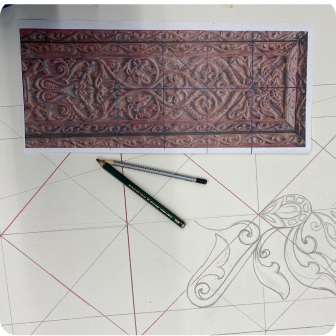
This course incorporates the visual vocabulary and skills introduced in Nabati Ornamentation: Motifs, introducing students to principles of compositional design as applied in various craft contexts.
Nabati Ornamentation: Composition
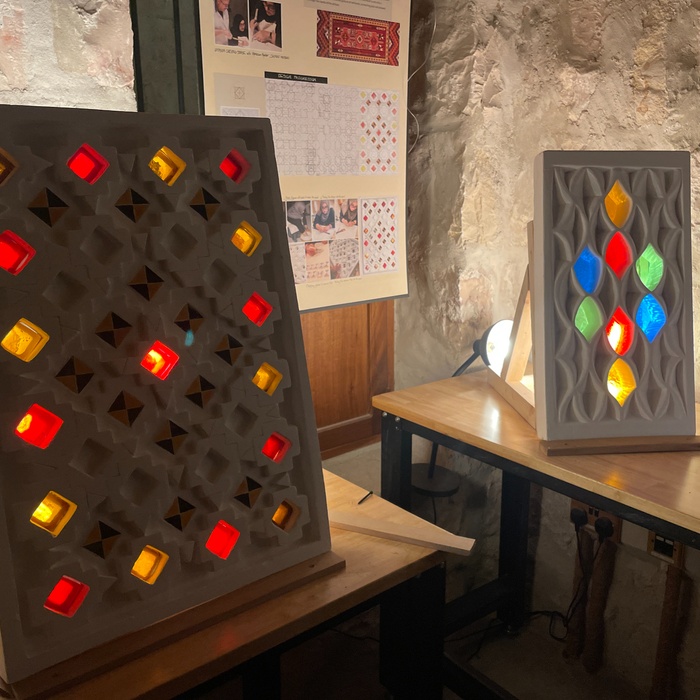
This course supports students in adapting both geometric and biomorphic designs to various craft contexts, including painting, woodworking, gypsum work, textiles, and ceramics.
Design Project
Craft Modules
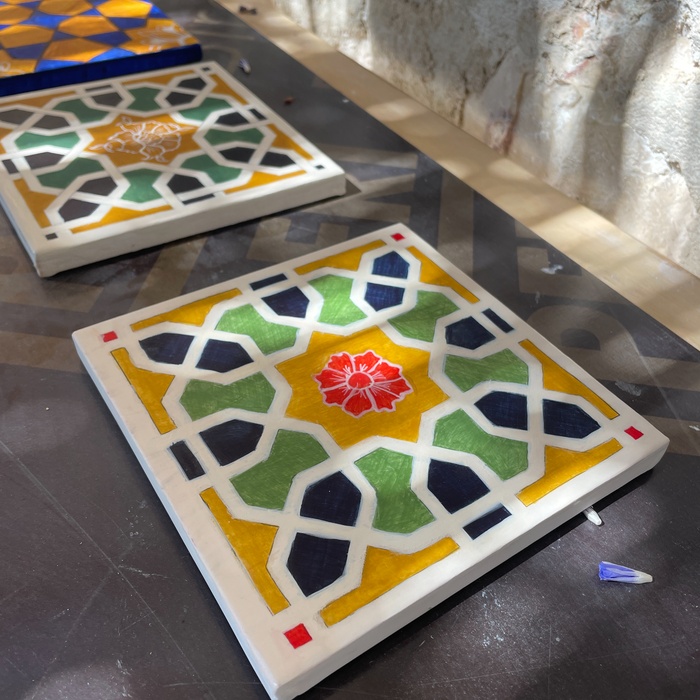
A range of traditional skills is covered in this module, including Contextual Design, Gilding, and Egg Tempera Painting, along with various traditional painting techniques found in the region and its neighboring areas.
Decorative Painting
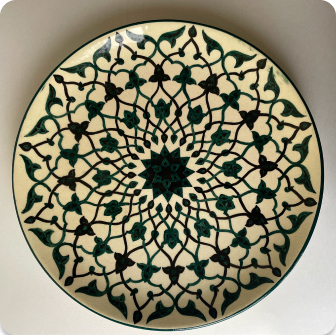
Ceramics is an art form that can be decorative, utilitarian, or architectural, requiring students to thoughtfully integrate design and craft skills to achieve successful outcomes. Students will explore painted vessels, geometric tiles, and other ceramic skills.
Ceramics
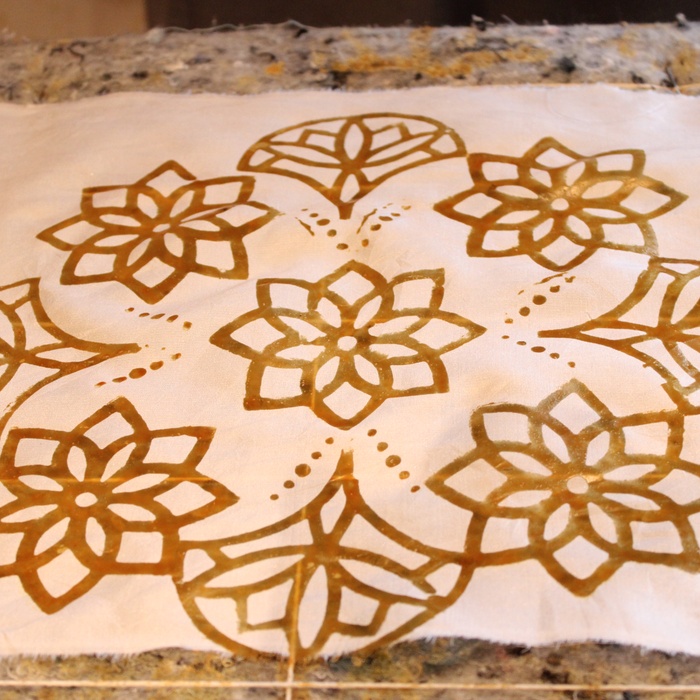
The field of textiles is one of the earliest art forms practiced by humans. This module closely integrates an understanding of materials given to us by the natural world with practical craft skills and careful handiwork.
Textiles
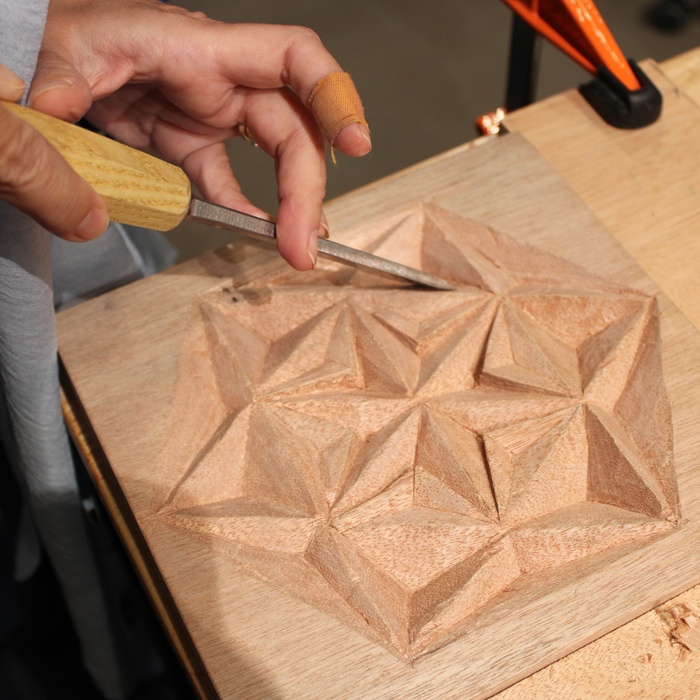
There are many ways of engaging with the warm, living material of wood. This module offers students the opportunity to explore both geometric and biomorphic designs in wood, drawing on a variety of traditional techniques.
Woodwork
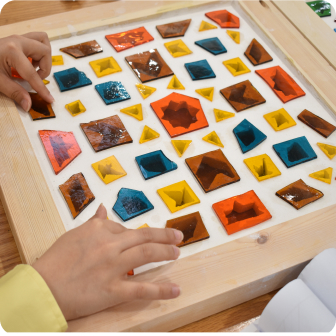
Gypsum is a traditional material that is widely used as a decorative element in the interiors and exteriors of many historic buildings. This module will teach students how to correctly mix and pour gypsum, as well as carve geometric and biomorphic patterns into its surface. The course may also include colored glazing and stained glass.
Gypsum
Frequently Asked Questions
Herfah is a program dedicated to reviving and promoting traditional crafts deeply rooted in Qatari and Islamic culture. In partnership with The King’s Foundation School of Traditional Arts, which brings global expertise in teaching and preserving heritage crafts, Herfah offers a yearly program alongside workshops, providing participants with hands-on experiences that bring together creativity and tradition.
This 1-year immersive experience is designed to build foundational skills in traditional Islamic crafts, with participants engaging in both foundational modules and craft modules, guided by expert tutors.
Registration for the current program is now closed. Details about future enrollment opportunities will be shared in due course.
Herfah workshops are held weekly at Al Khater House starting in November 2026 from 6pm–8pm
Participation is open to anyone aged 18 and older. The workshops are open to all skill levels – whether you’re a beginner or already experienced, our skilled instructors will guide you step by step.
Weekly workshops run from Sunday to Wednesday, with a total of four sessions (2 hours each), giving participants enough time for hands-on practice and guidance.
The fee is QAR400 per workshop, which includes all materials and tools.
Each week focuses on a different traditional craft, such as textiles, woodwork, ceramics, embroidery, painting, and more, blending heritage with creativity.
No, all tools and materials are provided. Just bring your curiosity and creativity.
Share